
07 · Imagery
Real retail. Clearly observed.
BARS imagery shows the moments where everyday retail standards become visible. The camera stays close enough to understand the behavior and wide enough to respect the people and place around it.
07.1
Photography system
Every image sits at one of three distances.
The system moves from the detail, to the person in context, to the retail environment itself. Together, the three families show what happens, who it affects, and where the standard has to hold.
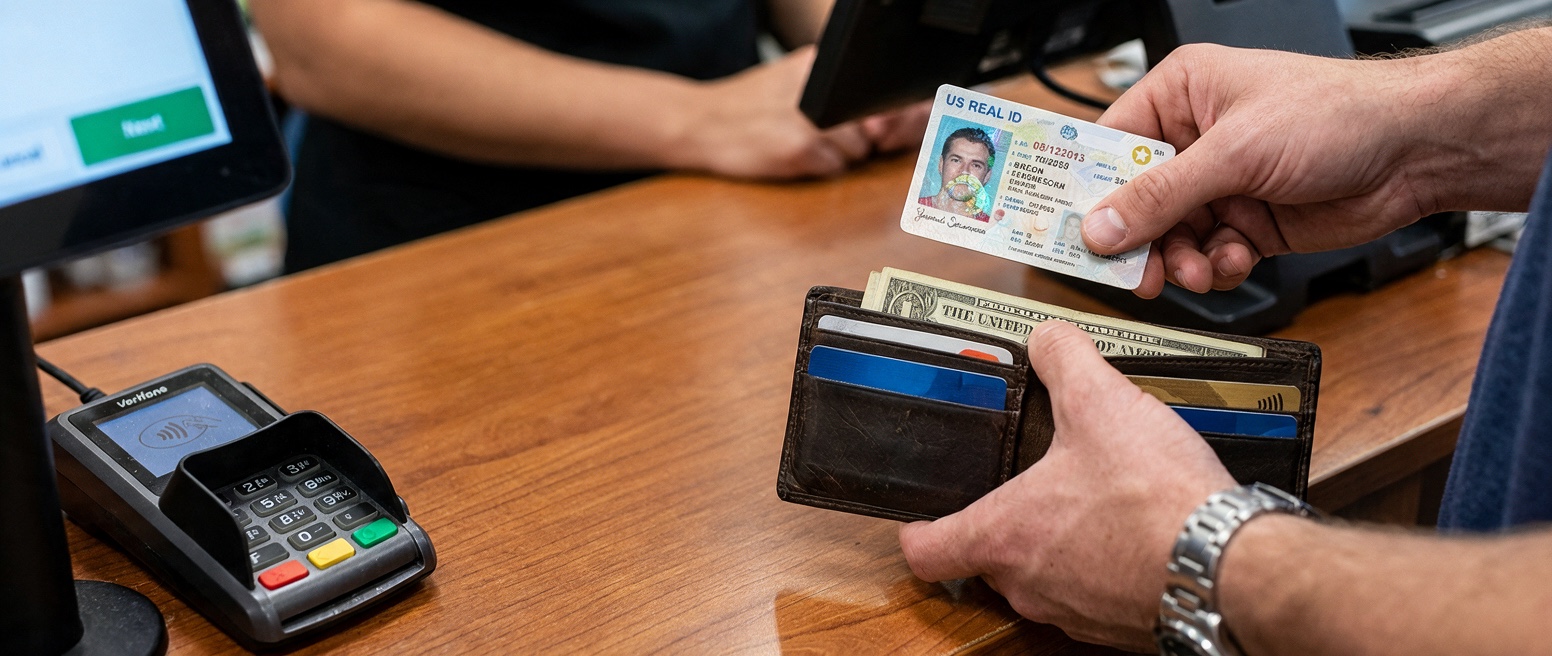
Macro moments
Close enough to see the behavior.
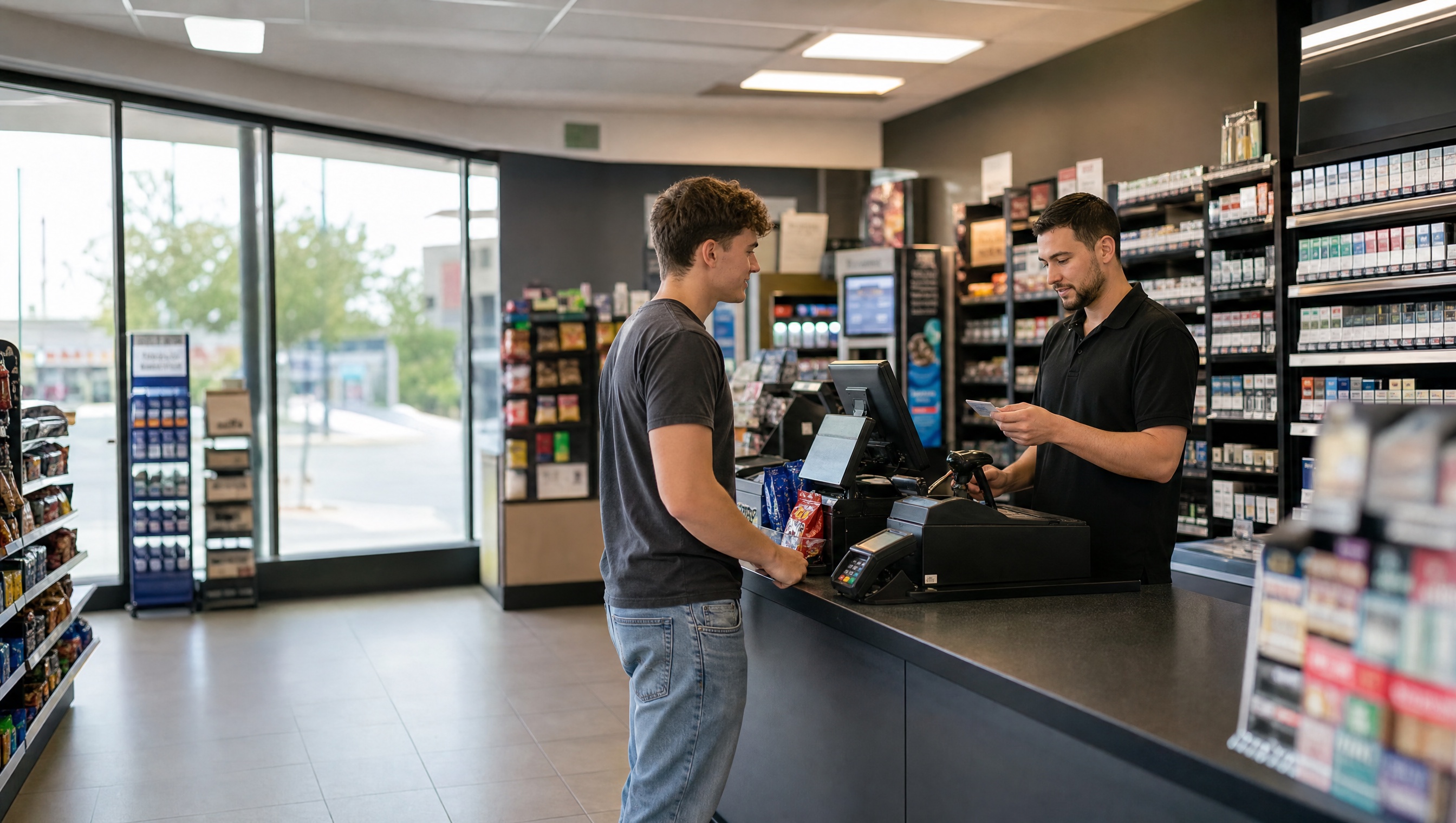
Environmental moments
People and place in the same frame.
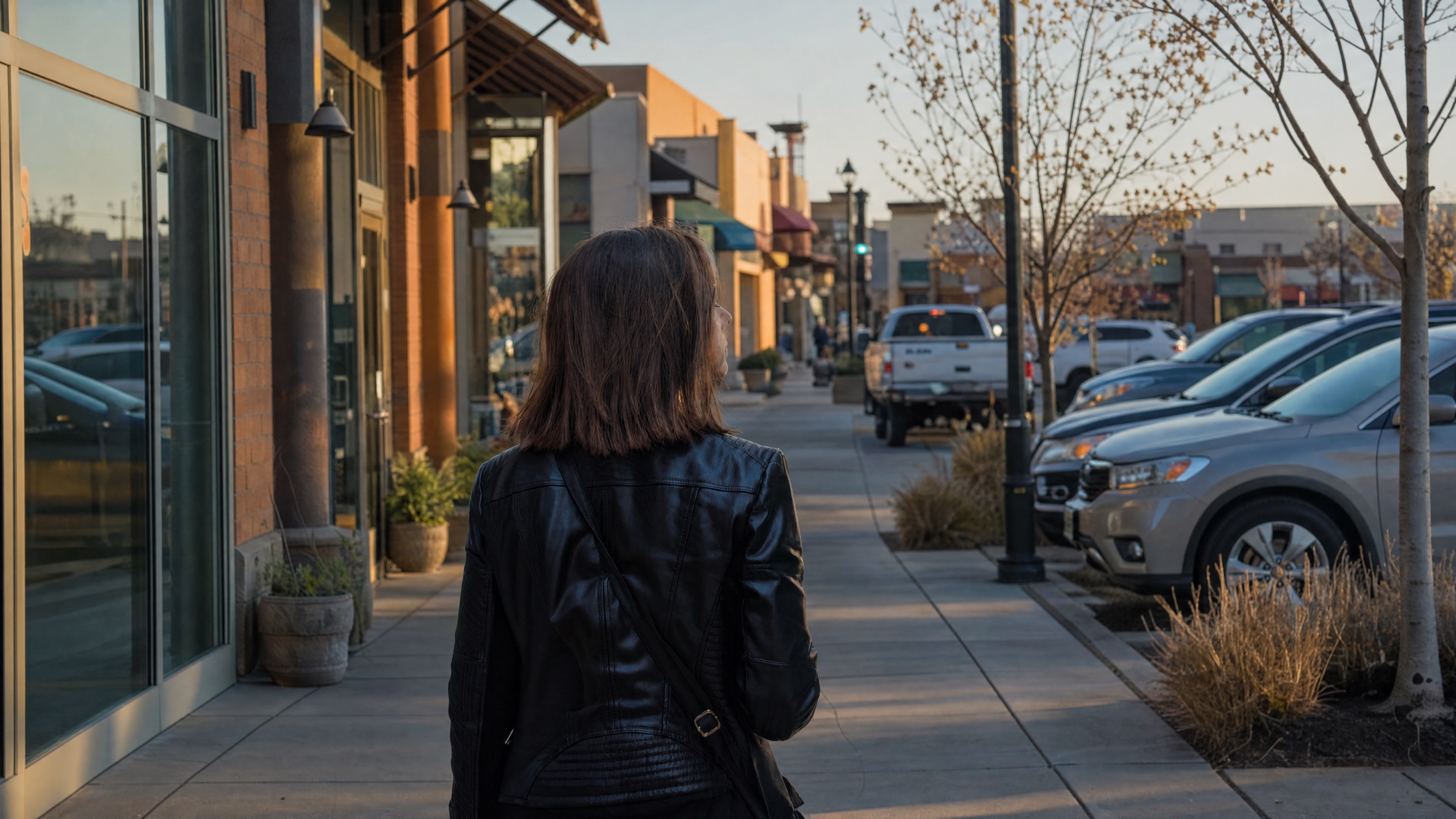
Retail scenery
The setting becomes the story.
07.2
Macro moments
Close enough to see the behavior.
Macro moments isolate one action, object, or handoff at the point of sale. Hands, cards, equipment, and products carry the story. The frame feels observed, not arranged.
A strong macro frame holds one observable action, with natural hand placement and body mechanics, and cards, equipment, and products that are accurate to real retail.
Use for compliance verification, training details, and moments that need immediate clarity.
07.3
Environmental moments
People and place in the same frame.
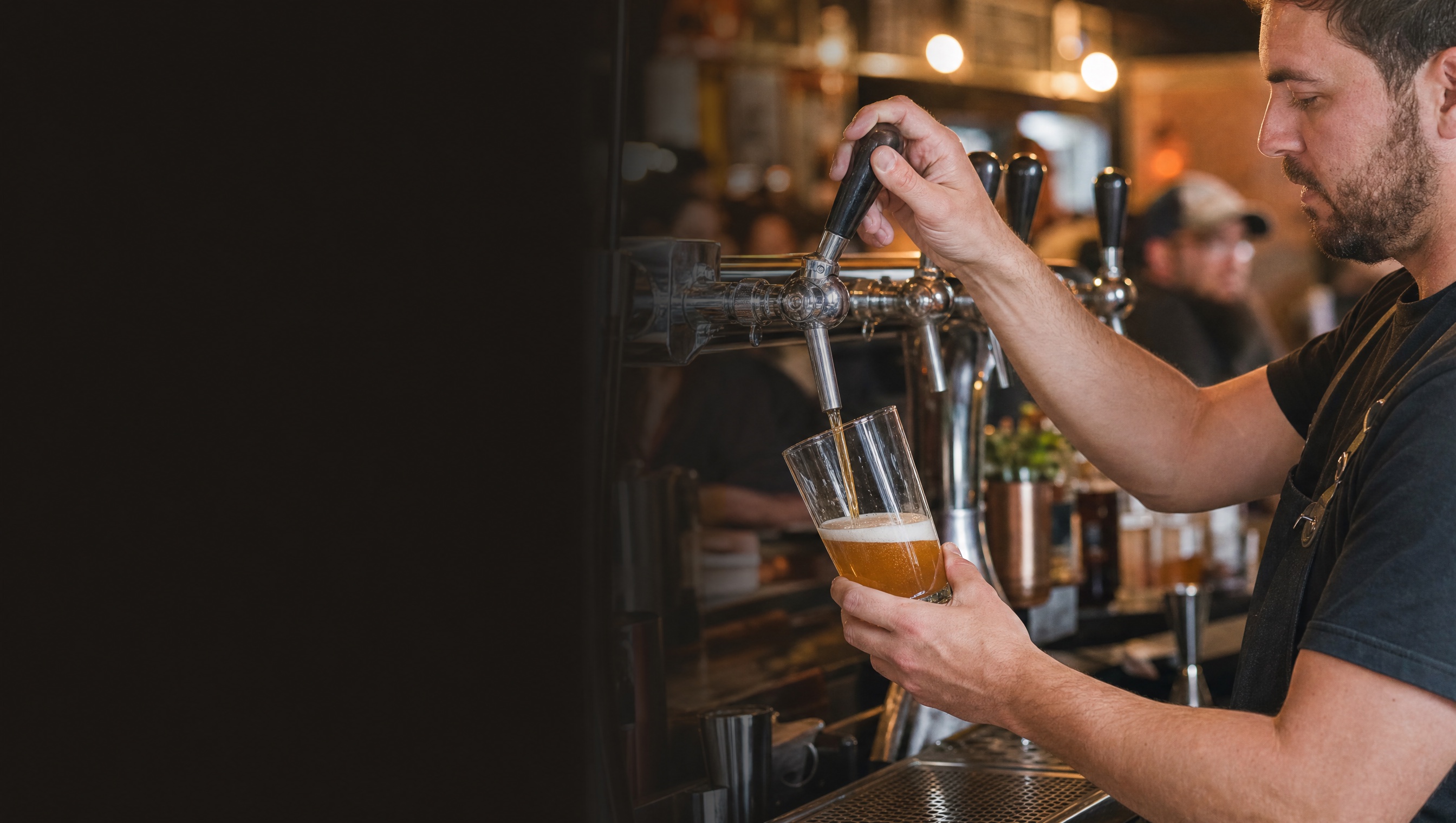
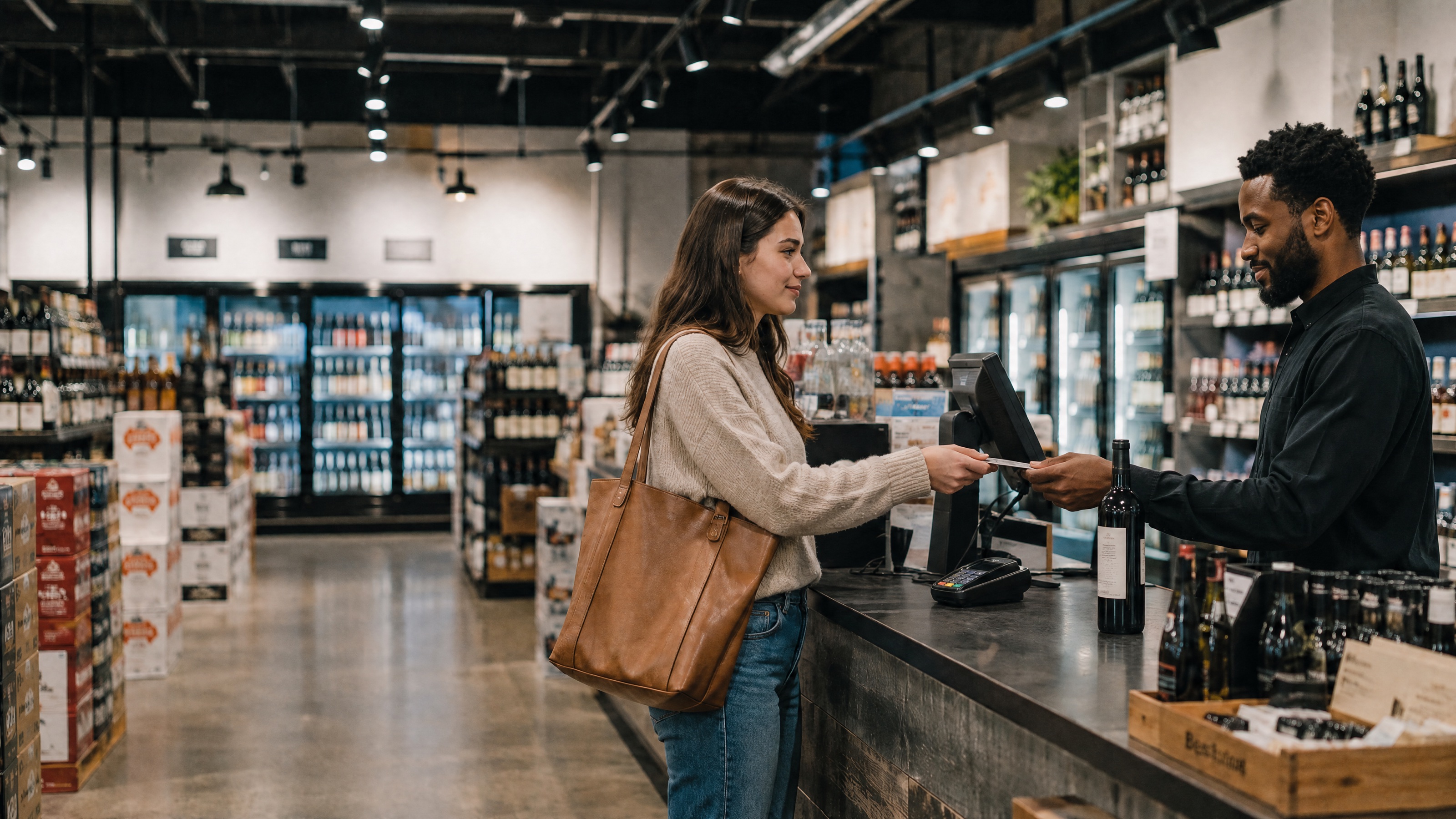
Environmental moments show customers, employees, or operators moving through a credible retail setting. The person drives the story while the environment explains the stakes and gives the composition room to work across a page.
Subjects are camera-unaware or naturally engaged, the camera sits at eye level with useful negative space, and practical light carries a richer editorial finish.
Use for hero images, service stories, and situations where human behavior needs retail context.
07.4
Retail scenery
The setting becomes the story.
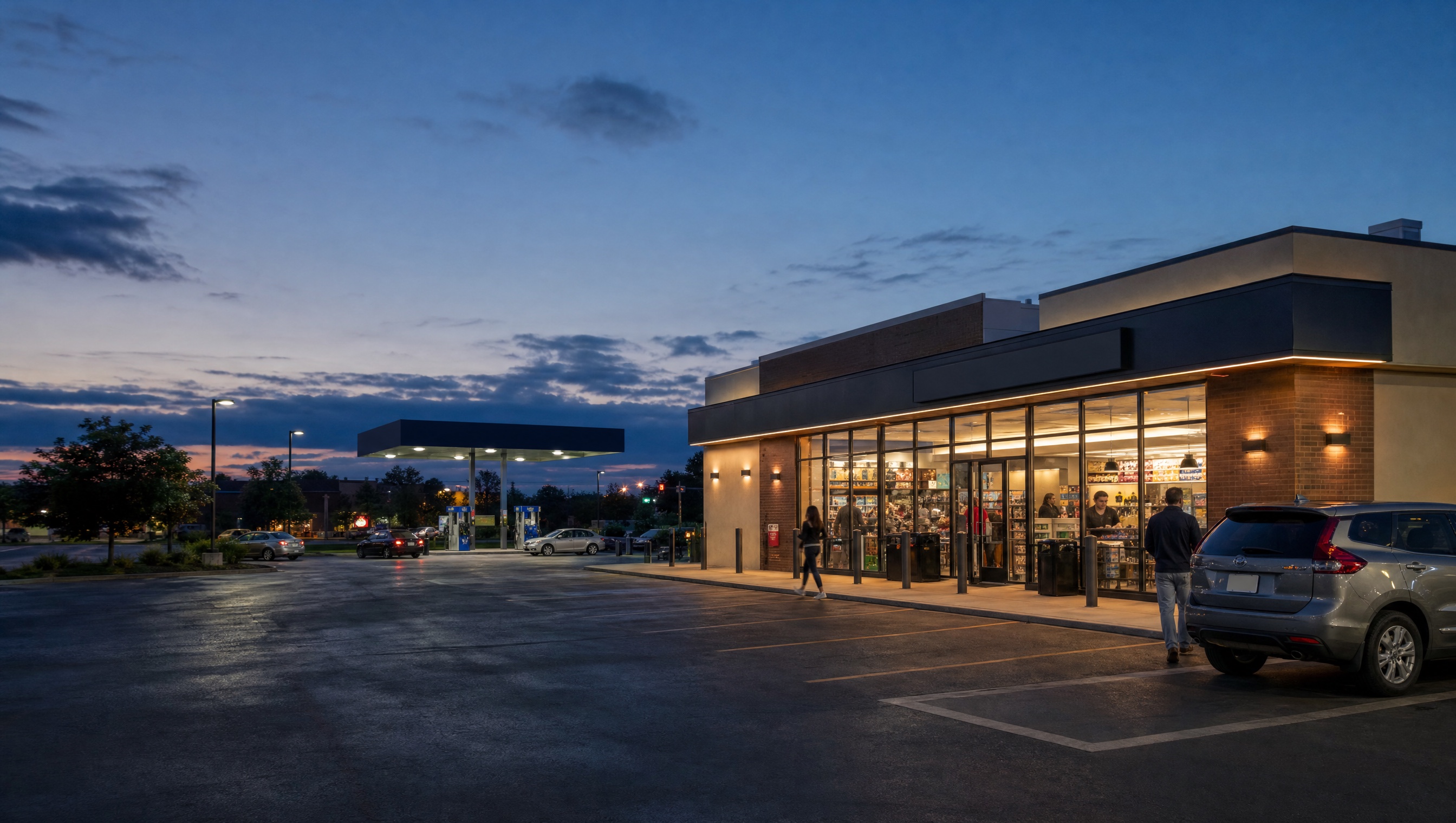
Retail scenery establishes the range and scale of the world BARS serves. Storefronts, aisles, fuel sites, and retail centers lead the frame, with people present only when they make the place feel lived in.
The setting reads as recognizably American retail, with specific architecture and merchandising, and atmosphere without spectacle.
Use for industry pages, market context, multi-location scale, and transitions between detailed stories.
07.5
Photographic character
Every distance shares the same character.
The subject changes, but the visual behavior does not. Every image should feel human, credible, and composed with the restraint of editorial documentary photography.
Observed, not performed
The moment already feels in progress. Expressions and attention follow the action, not the camera.
Rich, practical light
Available light grounds the scene. Shaping adds warmth, depth, and contrast without making the location feel cinematic or artificial.
Retail details hold up
Hands, cards, terminals, packaging, displays, and store geography must work exactly as they would in real life.
Composed for use
The frame provides a clear focal point, useful negative space, and enough environmental scale to survive responsive crops.
Branded cards, card patterns, and interface composites are supporting graphic imagery. They can punctuate the system, but they do not replace the three photographic families.
07.6
Art direction
BARS should feel like a partner helping retailers see what is happening, never an authority watching from a distance.
Use
- Eye-level camera positions that feel present and fair
- People focused on a credible task or interaction
- Restrained color with natural skin tones and material texture
- Products and equipment placed where retail work requires them
- Wide and tight compositions that share the same visual character
Avoid
- Surveillance angles, law-enforcement cues, or gotcha framing
- Empty smiles, direct-to-camera posing, or staged reactions
- Oversized IDs, dominant terminals, or technology as the hero
- Broken anatomy, impossible handoffs, or incorrect store geography
- Synthetic labels, malformed packaging, or decorative retail clutter
Secret shopping stays invisible
BARS works through secret shopping. In any live retail scene, the BARS team member is an ordinary plain-clothes shopper on the customer side of the interaction. Employees shown in store belong to the retailer. The Checker's role is never telegraphed through posture, wardrobe, props, or covert agent framing.
No BARS marks appear anywhere in a live retail scene: no branded apparel, badges, lanyards, clipboards, bags, counter cards, or signs. The only exception is non-field brand imagery, such as team swag studies, clearly disconnected from secret shopping.
The ID is a consequence, not the subject
An ID appears because the retail moment requires it, never because the photograph does. Keep it wallet sized, naturally handled, partially occluded, and slightly secondary in focus. Verification can also read without a visible card: an employee comparing the shopper to an ID already reviewed, a wallet coming out while checkout continues, or a brief pause in a routine transaction.
If the card cannot survive a second look at display size, reduce its prominence or leave it out.
What imagery must never feel like
BARS is a partner, not an enforcer. If an image reads as any of the following, it is out of the system regardless of how well it is made.
Law enforcement
Badges, uniforms, or interrogation energy.
Government oversight
Inspection, citation, and regulatory cues.
Surveillance
Angles that watch from above or behind.
Covert policing
Undercover operative framing of the Checker.
Gotcha compliance
Traps, stings, or caught in the act moments.
Punitive consequences
Fear, discipline, or failure on display.
Institutional sterility
Cold, empty, corporate compliance scenes.
Generic lifestyle
Stock office optimism and staged smiles.
Retail failure
In-store imagery shows prevention working. Coaching happens in a separate training setting.
07.7
Before it ships
An image belongs in the BARS system only when the story and the retail reality both hold up.
01
The behavior or setting is clear in the first glance.
02
Hands, objects, equipment, and physical interactions make sense on a second look.
03
The scene could happen in a real American retail environment.
04
The tone presents BARS as a partner, not an enforcer.
05
The intended crop still works at desktop and mobile sizes.